A Comparison of Content Selection and Usage Methods Across Major Korean Webtoon Platforms
Choosing a Korean webtoon platform by reputation alone is unreliable. The important differences usually appear at the title level: whether the exact series is available, how many episodes are free, how long the reader must wait, how much immediate access costs, and whether the content works on the preferred device.
A platform can offer several access models at once. One title may be free during serialization, another may use a waiting ticket, and another may require payment for nearly every remaining episode. The most useful comparison therefore starts with one real series rather than a general claim that one platform is “larger,” “cheaper,” or “better for a genre.”

Begin With the Exact Title and Edition
Search for the full Korean title and creator name on each platform. Confirm that the result is the correct season, remake, side story, revised edition, or age-rated version.
On the title page, record the current status, latest episode, total published episodes, update day, age rating, free episodes, waiting period, and price of the next locked episode. Also check whether the service labels the title as exclusive, early-release, completed, on hiatus, or scheduled to leave the platform.
The major services currently organize access in different ways:
| Platform | What to Inspect First |
|---|---|
| Naver Webtoon | Weekday or completed-series section, current episode list, free versus Cookie-locked episodes |
| Kakao Webtoon | Ongoing-free, wait-until-free, three-hour-free, and event-ticket labels |
| KakaoPage | Whether the result is a webtoon, web novel, or book; wait-until-free timer and ticket balance |
| Lezhin Comics | Original-title label, free-rental benefits, wait-until-free eligibility, Coin price, and download support |
| Toptoon | Age rating, free-ticket or Coin conditions, purchase status, and whether purchased episodes can be downloaded |
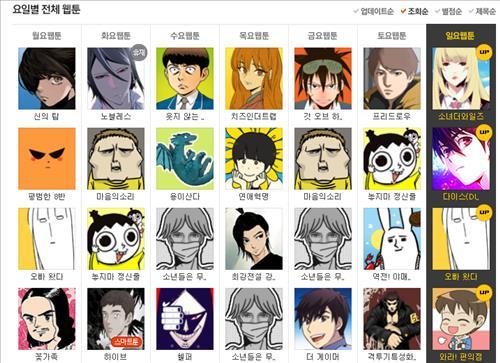
Naver Webtoon’s current mobile navigation separates weekday releases, completed works, Best Challenge titles, and short-form “Cuts” content. Its paid content uses Cookies, so the episode list and Cookie balance should be checked together.
Kakao Webtoon currently promotes several different free-access labels, including ongoing-free, wait-until-free, and three-hour-free titles. KakaoPage covers webtoons, web novels, and books; its wait-until-free system provides another free ticket after the title-specific waiting period has passed.
Lezhin currently combines original titles with daily gifts, free rental tickets, a wait-until-free program, personalized genre settings, rankings, a purchased-content library, and offline downloads. These benefits do not apply identically to every series, so they must be confirmed on the individual title page.
Toptoon operates a separate download app for works already purchased through the service. Its website also handles age verification and identifies the company, customer-support channel, and business-registration details.
Calculate the Cost of One Series, Not the Price of One Episode
A low per-episode price does not necessarily make a platform cheaper. The total depends on how many episodes remain locked and how many tickets or waiting benefits you can realistically use.
A simple estimate is:
Immediate reading cost = locked episodes you want now × price per episode − usable paid benefits
Then calculate a second figure:
Lowest patient-reading cost = episodes that never become free × price per episode
For each title, check whether the first episodes are permanently free, whether waiting tickets recharge, whether the latest episodes remain payment-only, and whether event tickets expire. A promotion that unlocks five episodes today may be less valuable than a reusable ticket that continues to recharge.
Also distinguish between paid balance and promotional balance. Bonus Coins, event tickets, and gift benefits may have different expiration and refund rules from money purchased directly.
For example, unused Naver Cookie packages can generally be cancelled directly within seven days of purchase. When part of a package has already been used, the remaining paid portion may require a customer-support request. Automatic Cookie charging must be cancelled through the mobile web rather than the Webtoon app.
Lezhin’s current terms state that paid Coins have a five-year validity period, while bonus Coins and similar benefits follow separately displayed expiration conditions. Its monthly automatic-charge product also distinguishes paid Coins from bonus Coins and applies separate cancellation and remaining-balance procedures.
Toptoon’s terms separately address refunds when purchased content can no longer be supplied because a rights contract ends, as well as refunds for payment errors. These rules are different from simply changing your mind after reading an episode.
Do not buy a large Coin or Cookie package before checking the exact title’s remaining episode count, unlock method, and balance-expiration rules.
Match the Platform to Your Reading Habit
A reader following two ongoing series has different needs from someone trying to finish a completed 150-episode story over a weekend.
For ongoing weekly reading
Check the announced update day, the number of paid advance episodes, and whether older episodes remain free. A reliable weekly schedule may matter more than the size of the overall catalog.
A waiting system can be economical when you read slowly, but only if its recharge interval matches your pace. “Wait until free” is not one universal rule: the interval and eligible episode range can differ by title.
For binge-reading completed series
Start with the total episode count and calculate the cost of unlocking everything that remains locked. If the service also offers collected editions, When Reading a Completed Series by Volume Is Better Than Purchasing Individual Episodes can guide a comparison of total price, chapter grouping, ownership terms, download options, and any revised pages or bonus material. Check whether the platform periodically issues tickets or discounts for completed works, but do not assume an event will continue until you finish.
Also confirm whether the title is marked for removal. Purchasing access is less useful when the service states that distribution will soon end or when the platform’s terms limit continued access after rights expire.
For mature or age-restricted works
Check the title on both the app and mobile web before paying. Age verification, app-store rules, and the user’s verified account status may affect where the complete catalog is visible.
Toptoon’s privacy policy, for example, identifies birth-date information used for adult verification. Its separate download app is designed around works already held in the user’s library rather than general catalog discovery.
For reading across several devices
Test one free or low-cost episode on the phone, web browser, tablet, and smart device you intend to use. Confirm whether reading progress, purchased episodes, ticket balances, and downloads appear under the same account.
Lezhin’s current app supports offline downloads, while Toptoon’s dedicated download app allows purchased works to be downloaded and read without a network connection.
Do not assume that the app and website expose the same catalog, payment method, age-restricted content, or account-management tools.

Three Real Titles Reveal the Platform’s True Cost and Access Limits
Open one title you genuinely want to read on every relevant platform and complete this comparison:
| Question | What to Record |
|---|---|
| Is it the exact work? | Title, creator, season, edition, and age rating |
| What is its current status? | Ongoing, completed, on hiatus, or leaving the service |
| How much is free now? | Permanently free episodes and currently usable tickets |
| What becomes free later? | Waiting interval and eligible episode range |
| What remains payment-only? | Number of locked episodes and price per episode |
| What access are you buying? | Permanent library access, rental, ticket access, or another condition |
| Where can it be read? | App, browser, download app, and offline availability |
| What happens to unused currency? | Expiration, automatic charging, cancellation, and refund terms |
| Are there access restrictions? | Age verification, region, device, or account requirements |
Repeat the test with two more titles in the same genre. This reveals more than a platform homepage because it shows whether the service consistently fits your actual reading interests.
A platform may have a strong free model for one series but be expensive for another. Another may have excellent completed works but few titles you personally want. The decision should be based on the cost and access conditions of the titles you will actually read.
Title Availability and Reading Costs Matter More Than Platform Reputation
Naver Webtoon may suit a reader who wants to browse weekday releases and completed works in one clearly separated catalog. Kakao Webtoon may be attractive when the titles you follow participate in its rotating free-access models. KakaoPage is more useful when you want webtoons, source web novels, and books within the same content service. Lezhin may fit readers who find the right originals and value its purchased library or offline support. Toptoon should be evaluated through its exact age rating, Coin requirements, web access, and purchased-content tools rather than assumptions about its entire catalog.
The most reliable selection process is:
Find the exact title → compare free and paid episode conditions → calculate the cost to reach your reading goal → test the required device and account → buy only the amount you expect to use.
Promotions, title availability, waiting periods, and payment rules can change. The current title page and payment screen should always take priority over an old platform comparison.