How to Find New Team Information and Match Records After an Esports Team Is Acquired, Merged, or Rebranded
In the highly volatile and fast-paced esports industry, the off-season (often referred to as the “Stove League”) is a period of massive upheaval. It is incredibly common for organizations to completely change their names, redesign their logos, or overhaul their entire ownership structures between competitive splits. Whether this is driven by a massive corporate acquisition, a merger of two organizations, or a new multi-million dollar title sponsor stepping in, these sudden shifts often leave fans completely disoriented.
If your favorite team’s social media handles have suddenly vanished, or their familiar acronym is missing from upcoming tournament brackets, do not panic. The esports ecosystem has a systematic way of handling these transitions. This comprehensive guide will explain how to verify if your team’s championship legacy is preserved, the most reliable methods to find their updated roster amidst a sea of rumors, and how to accurately track their new match schedules.

The Fate of Match Records: Title Sponsors vs. Franchise Buyouts
The most common fear fans express on platforms like Reddit and X is the erasure of their team’s history. Will the World Championship stars on the jersey disappear? Does a name change mean the team starts from zero? The answer depends entirely on the financial and legal nature of the brand change.
Under major franchise regulations enforced by publishers like Riot Games (for LCK, LCS, VCT) or Valve (for the CS2 Major circuits), competitive history is tied directly to the Franchise Slot, a highly valuable asset, rather than the brand name itself. To maintain competitive integrity, publishers have strict rules on how legacy is inherited.
Here is a detailed breakdown of how your team’s legacy is handled during corporate transitions:
| Type of Corporate Change | What Actually Happens Behind the Scenes | Real-World Example | Impact on Match History & Legacy |
| Title Sponsor Rebrand | The core ownership stays exactly the same, but the naming rights are leased to a major corporate sponsor. | Damwon Gaming → DWG KIA → Dplus KIA | Fully Preserved. All trophies, historical stats, and MVP titles carry over seamlessly. The team is still legally the same entity. |
| Franchise Acquisition (Buyout) | A new corporation completely buys out the organization and takes over the official competitive slot. | Samsung Galaxy acquired by KSV (later rebranded to Gen.G) | Inherited. The new owner legally inherits the competitive history of that specific slot, including past World Championships. |
| Disbandment / Slot Sale | An organization goes bankrupt or exits the scene, selling their slot to a completely unrelated entity. | Echo Fox selling their LCS slot to Evil Geniuses | Reset. The old legacy is archived. The new team starts with a blank slate, as there is no continuity of staff or players. |
Step-by-Step: Verifying the New Roster amidst “Leak Culture”
An acquisition or rebrand is almost always a catalyst for a massive roster shuffle. During this period, the esports community thrives on “leak culture,” where insider accounts and forums are flooded with unverified rumors. To cut through the noise and find the legally verified truth, follow this systematic checklist:
- Step 1: Check the Global Contract Database (GCD): For franchised leagues like League of Legends and Valorant, Riot Games maintains a public database called the GCD. This is a legally binding Google Sheet updated by the publishers themselves. If a player’s name appears under the newly rebranded team on the GCD, the contract is signed, sealed, and legally approved.
- Step 2: Rely on Official X (Twitter) Announcements: X is the undisputed primary communication hub for global esports. However, do not trust cryptic tweets. Look specifically for the acquiring organization’s official posts tagged with industry-standard terms like “Roster Update,” “Welcome [Player Name],” or “Farewell.”
- Step 3: Cross-Reference with Game API Trackers: Once the season approaches, platforms connected directly to the game’s API are your most accurate secondary source. For League of Legends and Valorant, utilize OP.GG. For Counter-Strike 2, use HLTV.org. When a professional player registers their account with the tournament organizer under their new contract, their in-game profile will automatically update to display the new team acronym (e.g., [HLE] Viper). If a player’s tag is still blank in high-elo ranked matches, the transfer might still be pending publisher approval.
Tracking the New Match Schedule Effectively
Once the new brand is legally established and approved by the tournament organizers, all official broadcasts and brackets will be strictly updated to reflect the newly registered name. This creates a UX problem for fans: if you search for the old team name on event portals, the algorithm will likely yield zero upcoming matches.
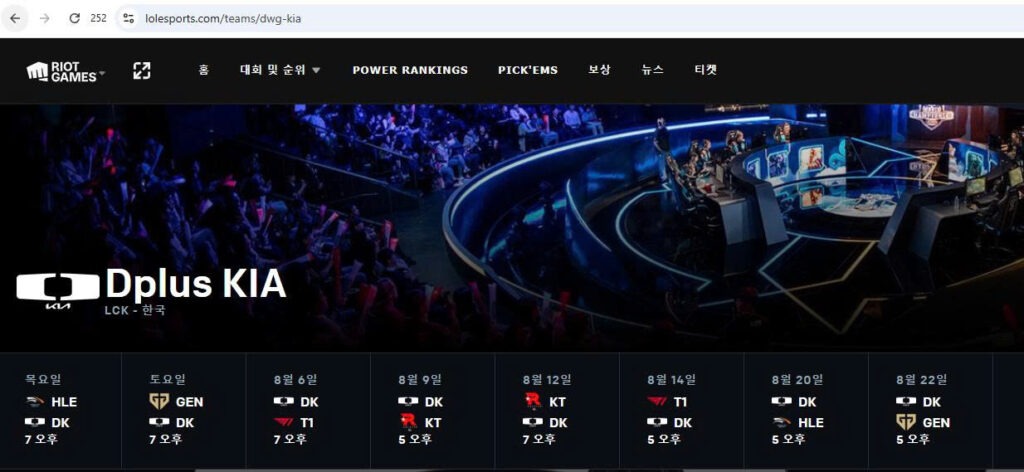
To avoid missing a match, you must rely on centralized esports platforms like Strafe, Esports Earnings, or official tournament websites (e.g., Lolesports, VCT portal). When browsing the “Participants,” “Standings,” or “Teams” tab for the upcoming season, you must visually scan for the new logo rather than typing the old name.
Furthermore, it is highly recommended to download apps like Strafe or the official Lolesports app and proactively set push notifications (e.g., “Follow Team”) for the new brand. This ensures you receive an alert 15 minutes before the broadcast begins, bridging the gap left by the old brand’s inactive social media.
Reconnecting with Archival Data on Liquipedia
For hardcore fans, analysts, and bettors who rely heavily on tracking historical player stats, win rates, and past tournament runs, Liquipedia remains the global gold standard. However, a sudden rebrand can make navigating this massive wiki initially confusing.
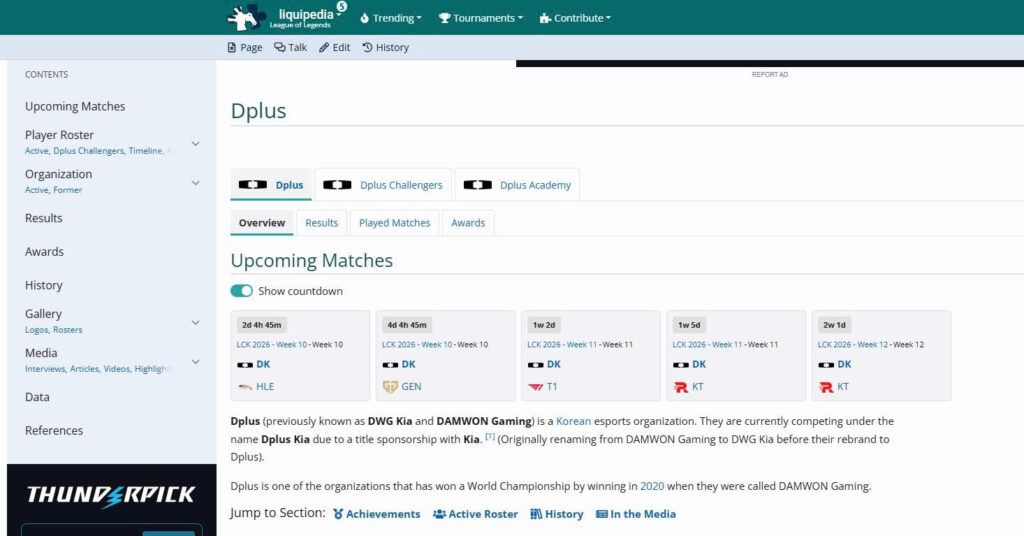
If you search for the old team name, do not be alarmed if the original page seems to have vanished. Liquipedia utilizes an advanced Alias/Redirect system. Typing in the old, disbanded name will automatically redirect you to the new organization’s heavily updated page.
To understand exactly what transpired behind closed doors during the transition, bypass the current roster section and scroll directly to the “History” or “Organization” tables on the Liquipedia page. This community-curated, heavily moderated log explicitly details the acquisition date, the previous legal team name, and the exact timeline of when former players were transferred out or retained.
FAQ: Common Community Questions
Q: Why do esports teams change their names so much more often than traditional sports teams?
A: Traditional sports teams (e.g., Manchester United or the LA Lakers) are anchored to geographic cities and have centuries-old infrastructure. In contrast, esports teams rely heavily on venture capital and corporate title sponsorships for their primary revenue stream. When a multi-million dollar sponsor steps in or a conglomerate buys the team, the brand name changes to reflect the new financial backing, as there is no “city name” to keep them grounded.
Q: Do I get a refund on in-game items (like team skins, icons, or emotes) if the team disbands or rebrands?
A: No. According to the strict digital goods policies of developers like Riot Games and Valve, old team skins or stickers remain permanently in your inventory as “Legacy” items. In fact, within economies like the CS2 Steam Market, stickers from disbanded or rebranded teams (like Titan or iBUYPOWER) often become incredibly rare, soaring in value as highly sought-after collector’s items.
Q: What happens to a team’s Academy or Tier-2 roster when the main organization is acquired?
A: It varies by the terms of the buyout. In most cases, if an organization buys a franchise slot, they acquire the entire infrastructure, including the Academy team. However, if the acquiring company already owns a Tier-2 team, tournament rules strictly forbid owning two teams in the same ecosystem. In that scenario, the old Academy team must be immediately sold off to a third party or disbanded.